 |
https://polarisproject.org/resources/2015-hotline-statistics
Topic:
Terminology
Human Trafficking
- a form of modern-day slavery in which traffickers use force, fraud, or
coercion to control victims for the purpose of engaging in commercial sex acts
or labor services against his/her will.[1]
DARPA - Defense
Advanced Research Projects Agency
Relation to Computer Science:
Human Trafficking relates to the field of computer science
because of the technologies used in order to try and stop/prevent human
trafficking. The work being done at CMU incorporates many aspects of computer
science. The algorithms being developed there are helping scan the Internet and
identify advertisements and other postings that may be related to human trafficking.
These computer programs generally operate by identifying keywords and certain
aspects of images and flagging them for law enforcement officers to review. Machine-learning is especially helpful because as certain users or patters are noticed, the algorithms are able to tailor their searches and process information even more quickly than humans.
National Human Trafficking Resource Center 1 (888)
373-7888
|
Friday, March 31, 2017
Entry 8 - Tech Firms Help Fight Human Trafficking

Friday, March 24, 2017
Entry 7 - Women in Computer Science
 |
| http://www.letsdomore.com/blogs/when-computers-quit-women/ |
Topic:
Over the last ten to fifteen years,
the number of women working in computer science related professions has
declined by approximately 10% despite the face that the percentage of women in
the workforce has been increasing.[i]
Shockingly, the declining number of women in the field of computer science has
less to do with the topic itself and more to do with how it is represented and
marketed in society today. One of the primary conclusions drawn as to why this
trend has emerged states, “the first personal computers were essentially early
gaming systems that firmly catered to males. While early word processing tools
were also available, the marketing narrative told the story of a new device
that met the needs of men.”[ii]
In order to try and increase female interest in computer science and
engineering, girls are being introduced to computer science and other math
topics at a younger age to stimulate their interest in the subject.
Relation to Computer Science:
 |
| http://www.aauw.org/research/solving-the-equation/ |
For this particular topic, I find
it more beneficial to relate it back to why woman should want to work in
computer science rather than to just focus on the subject as a whole. One of
the major reasons that it is important for women to hold positions in the field
of computer science is because men and women often have different ways of
thinking and going about solving problems. Another big reason why positions in
technology fields are attractive to women is because research found on tech
companies shows that they offer women a greater work-life balance than many other
companies do.[iii]
This is also seen in the amount of time women are granted for maternity leave. Companies
such as SAS and Google offer substantial time off for all new parents (both men
and women) and help to make the transition back to the workplace as smooth as
possible by helping to find childcare at affordable prices.[iv]
Women in the Tech World
Friday, March 17, 2017
Entry 6 – Coding Games for Kids
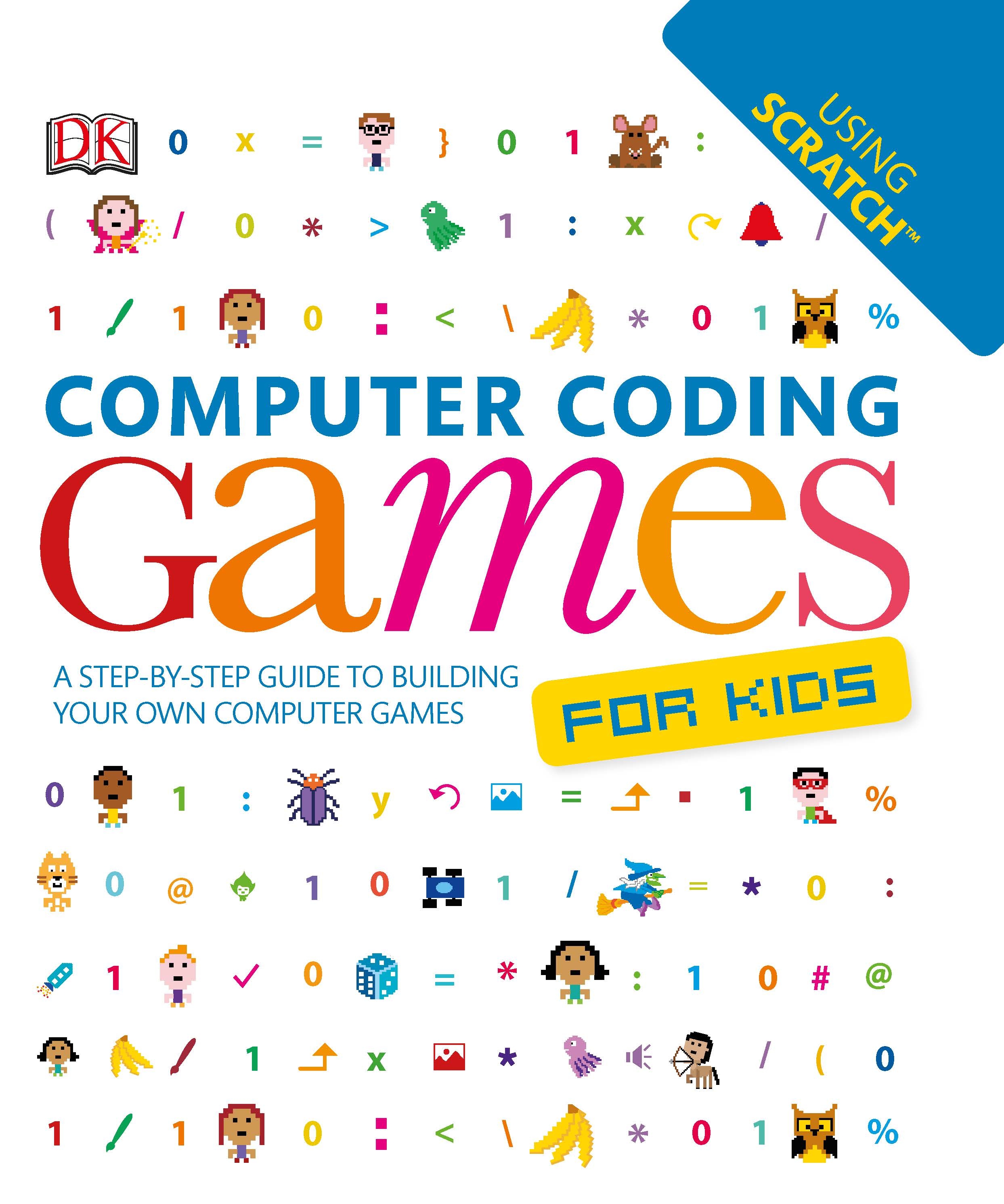
Topic:
Over the last several years, it has been increasingly common
for parents to begin teaching their children to code almost as early as they
teach them how to read. Many companies that design games for kids have noticed
this new trend and are trying to find ways to profit from it. They have created
many different sorts of games that incorporate basic coding skills into fun,
kid-friendly activities. The Code-A-Pillar, designed for children ages 3 – 8,
performs tasks in an order determined by what position its pieces are placed
in.[1]
Other games such as the LEGO Boost Robotics Creative Toolbox allows kids to
first design 5 LEGO friend and then, using instructions from an app, make their
new ‘friends’ complete specific tasks.[2]
While these companies’ main goals are to make a profit, they have made sure to
introduce coding games at all price points so they are accessible to families
from a variety of economic backgrounds.
Relation to Computer Science:
This directly relates to the field of computer science
because it involves the study of computer science (even though the children may
not realize it). It also helps to stimulate problem solving in children. Many
of these parents are not only doing this because of the high demand for
computer scientists in today’s world, but also due to the overall benefits to
their children’s critical thinking abilities. Mitchel Resnick, director of the
Lifelong Kindergarten Group at MIT’s Media Lab, highlights many of the
educational benefits children gain by learning to code at an early age saying,
“Coding games and puzzles helps children go beyond a passive role with
technology, using it only to receive information or entertainment, to seeing it
as a tool for creating things, expressing their ideas and sharing them with
others…It also instills design and problem-solving skills, enabling children to
continually adapt and improve strategies. Many learn basic math too, such as
working with coordinates to place figures or lines at a specific place on the
screen.[3]”
The children are not the only ones learning to code through these toys. Many
parents who always believed that programming was too complicated for them to
learn have started to take programming classes after seeing how much their kids
have enjoyed it.
Works Cited:
[1] LASCALA,
MARISA. "The 12 Best STEM Toys That Teach Kids to Code (for Toddlers to
Teens)." Working Mother. N.p., 2 Feb. 2017. Web. 17 Mar. 2017.
[2] LASCALA,
MARISA. "The 12 Best STEM Toys That Teach Kids to Code (for Toddlers to
Teens)." Working Mother. N.p., 2 Feb. 2017. Web. 17 Mar. 2017.
[3] Shellenbarger,
Sue. "New Ways to Teach Young Children to Code." The Wall Street
Journal. Dow Jones & Company, 09 Feb. 2016. Web. 17 Mar. 2017.
Image: https://cdn.penguin.com.au/covers/original/9781740333405.jpg
Subscribe to:
Comments (Atom)